


When the Control System Loses Its Wholeness
Control increases. Automation increases. Measurement increases.
Yet many experience less clarity — and less influence.
What happens to a society when the systems become larger than the people meant to carry them?
We see it in public administration.
We see it in healthcare.
We see it in education.
We see it in working life and technology.
Systems expand.
Processes multiply.
Automation accelerates.
Documentation grows.
The intention is safety, fairness, and equal treatment.
Yet another experience begins to grow among people:
Distance.
The Age of Complexity
We live in a time where complexity is the norm.
Laws change rapidly.
Requirements shift.
Technology evolves faster than culture and structure can adapt.
Each adjustment makes sense in isolation.
But the sum may become fragmentation.
When no one sees the whole picture anymore, wholeness is replaced by specialization.
Responsibility is divided to create clarity —
yet the whole can fall between areas of responsibility.
“It does not lie with us.”
No one has made a mistake.
And still, something falls through.
The Zero-Error Culture
In the same movement, the expectation of perfection grows.
Deviations are reported.
Errors are documented.
Risk is minimized.
What once could be handled through dialogue and professional judgment must now be secured through procedure.
The intention is safety.
But when zero-error becomes the ideal, something subtle happens:
Fear increases.
Control increases.
Complexity increases.
And the paradox deepens:
The more we attempt to eliminate risk,
the harder it becomes to preserve human oversight.
When Decisions Move to Technology
To manage complexity, we turn to technology.
Algorithms sort.
Systems prioritize.
Automated processes assess.
Efficiency increases.
But when judgment shifts from dialogue to code, the balance of power changes.
Decisions appear objective.
Yet they are still built on human assumptions — only hidden in the design phase.
The question is not whether the technology functions.
The question is who understands the whole.
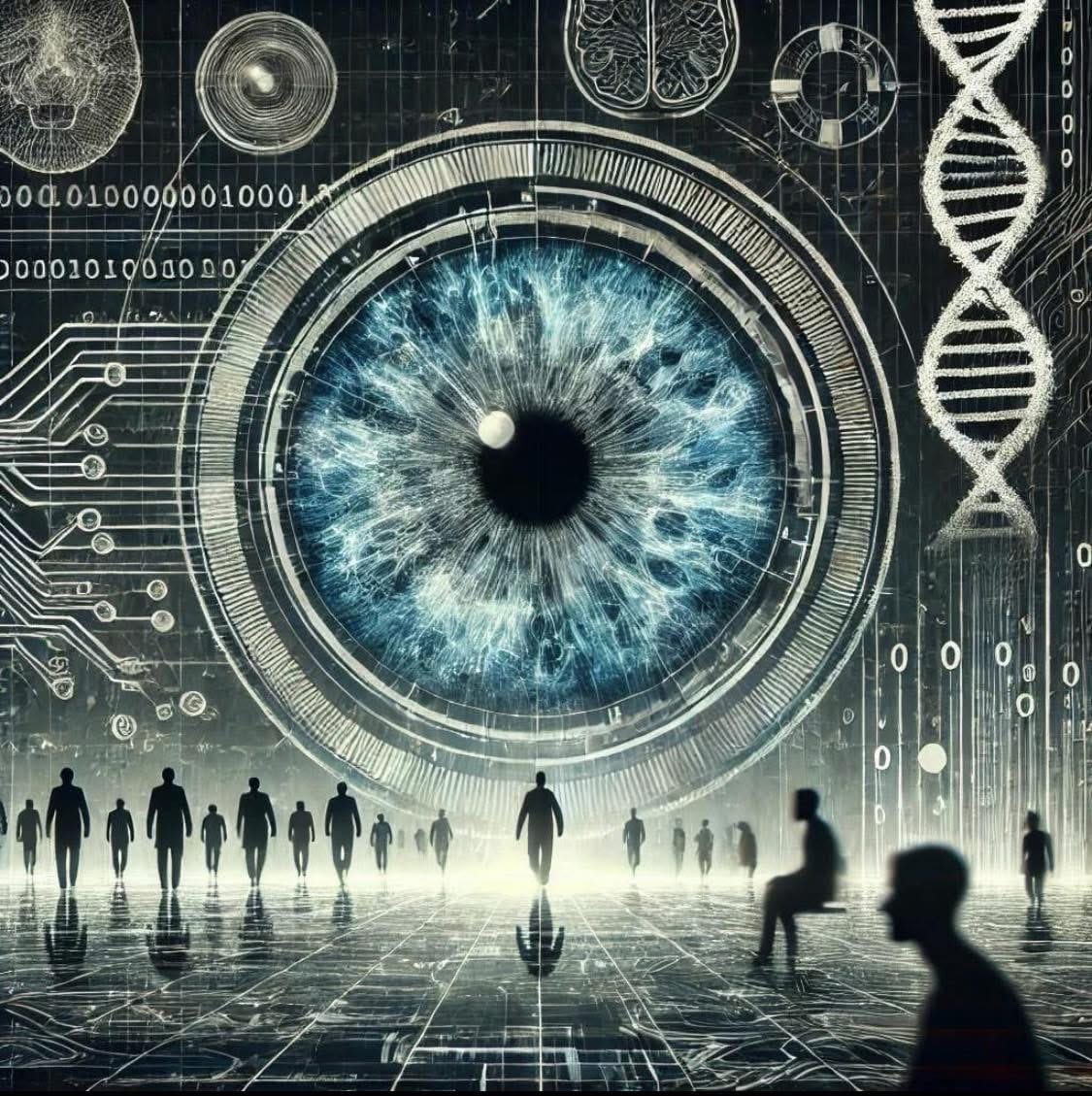
The Growing Distance
When systems become more complex and technologically driven, three things often happen:
The user experiences less room for influence.
The professional experiences reduced discretionary judgment.
Leadership loses direct contact with the consequences of decisions.
No one intends this.
But pace, measurement culture, and legal expansion continue to drive development.
Measurement creates overview.
But measurement also simplifies.
What cannot be quantified — relationship, nuance, trust — risks moving into the background
The Real Question
Systems are necessary.
Structure is necessary.
Technology is necessary.
The question is not whether we should have them.
The question is whether they still serve their purpose — or primarily their own preservation.
A system begins to lose legitimacy when:
Purpose disappears behind procedure.
Judgment is replaced by blind rule precision.
Technology is used to reinforce control rather than support discernment.
The Future Divide
The future divide is not between technology and human beings.
It is between two types of societal design:
One optimizes control.
The other strengthens human responsibility.
One must continuously add new layers to manage mistrust.
The other builds trust into the structure itself.
In the age of complexity, we do not need fewer systems.
We need more conscious leadership.
Awareness of power.
Awareness of design.
Awareness of what should not be automated.
Because ultimately, technology does not determine direction.
How we choose to use it does.
This is not only an organizational choice.
It is a cultural crossroads.
A system can never become more human than the humans who lead it.
Warmly Rita 🌿💛
This theme continues in the course
ECO — Wholeness, Symbolism & Reflection,
with emphasis on perspective, integration, and applied understanding.
ECO-platform | HumanHUB | HumaAI | Blog | Courses| Books| Partnership| ECO-Shop