


If You Feel Trapped in the System —
Let’s Look at Where That Feeling Began
Sometimes, our understanding of the world begins in something very small.
A child in a classroom.
A book to be read aloud.
A single word.
I remember a time when I was asked to read a story in class. The words came easily — until I reached one of them: alone.
I couldn’t say it.
The teacher waited. The class waited. The word was not difficult to pronounce, but it did not exist within me. In my inner world, I had never experienced being alone. So how could I say it?
To an adult, this may seem strange. But children often discover something we later forget: that words do not only describe the world — they also shape the way we meet it.
Throughout life, we learn many words that tell us what to look for.
Danger.
Infection.
Control.
Victim.
The words are not necessarily wrong. But when they are repeated often enough, the body begins to respond to them.
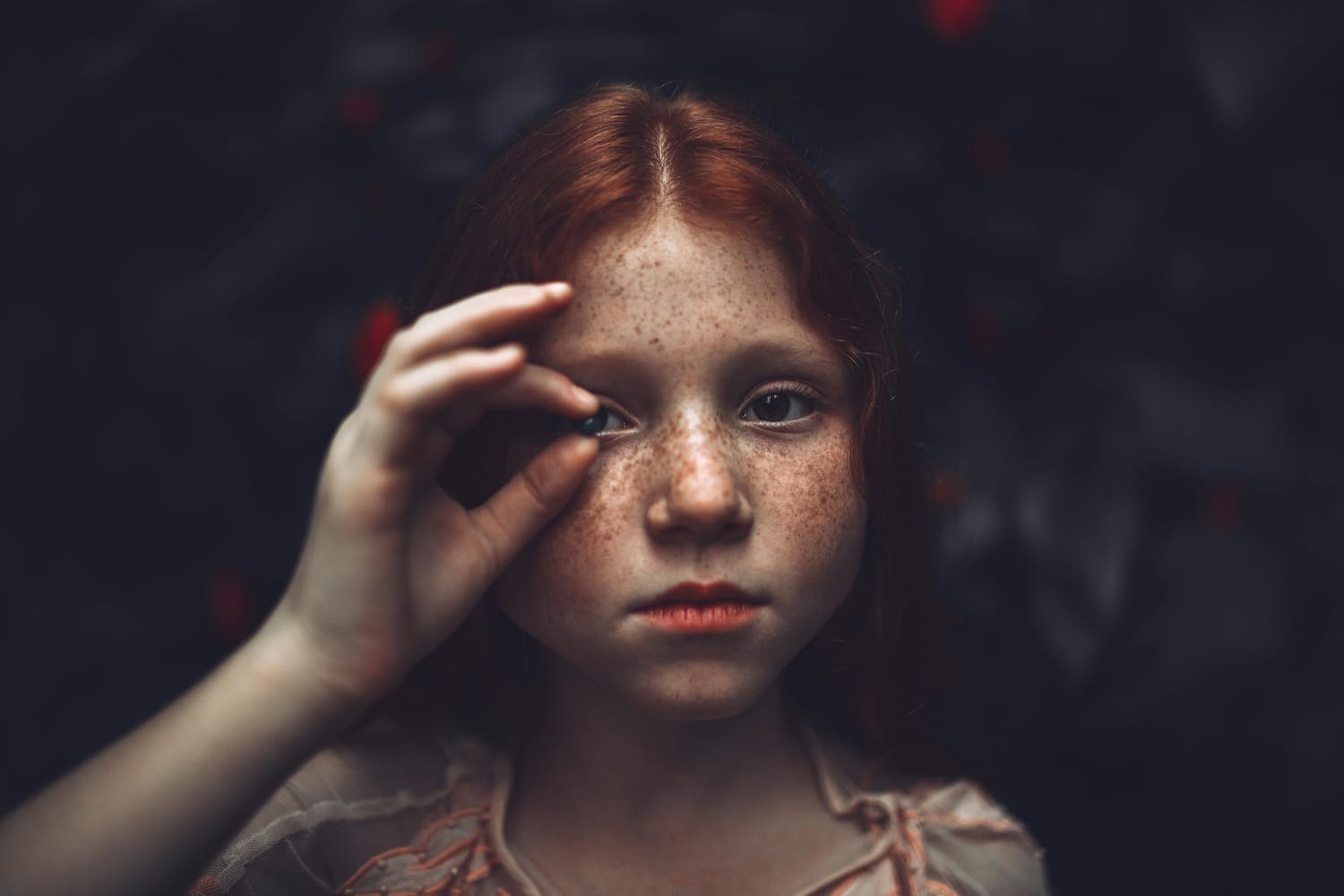
Our nervous system listens to the language we use.
If we constantly speak of danger, the body begins to search for it. If we constantly speak of enemies, we begin to place people into roles: victim and aggressor, good and evil, psychopath and saviour.
This is often where the reaction begins.
We push outward.
We try to explain who is to blame.
We try to place the unease somewhere outside of ourselves.
But the body is simply trying to regulate something it does not fully understand.
The human nervous system is developed to meet people. Faces. Voices. Relationships.
It is not developed to meet systems.
In our time, many people live in constant contact with structures that are large, abstract, and often without a face: institutions, digital platforms, technological systems, and frameworks that shape our lives.
When we experience little influence over these structures, the nervous system may respond with the same alarm as when facing a direct threat.
Warmly,Rita 🌿💛
ECO-platform | HumanHUB | HumaAI | Blog | Courses| Books| Partnership| ECO-Shop